
 support@nursingpaper.com
  Log In


Write Your Nursing Research Question Paper, Using the Best Techniques
Wondering what a nursing research question paper is and how to write it successfully? Do not fret....
December 10, 2025




Many nursing students and even practicing nurses wonder, “What does BSN mean in nursing?”. If you are one of those who still feel confused when asked, “What does BSN stand for in nursing?” this article is for you. Here, we define BSN and explain how getting this degree can aid your nursing career. By the end of reading this informative guide, you will never ask yourself or peers again, “What does BSN stand for?” So, let’s take a deep dive into what is BSN mean to clarify whether it’s a worthy career path for you as a nurse and to determine what unique credentials and competencies it will add to your professional portfolio.

While seeing strange abbreviations, most people start immediately googling. The common answer to the “What is a BSN” question lies in each of these letters. However, a bachelor of science in nursing is an academic degree, which students can obtain at medical schools. RNs and fellowship practitioners often aim for a better diploma as more career options become available.
Healthcare more and more focuses on providing patient-centered care. Experts with better skills in communication, clinical judgment, management, and profound medical knowledge can deliver high-quality treatment. BSN hospital workers can occupy administrative positions due to leadership experience. Besides, medical institutions always prefer increasing the qualification of their nursing practitioners.
When investigating the question, “What is BSN nursing?” visit the website of different medical schools. Every year, numerous courses welcome students of different ages. Anyone who aims for a nursing career can gain knowledge. BSN programs require having GED or high school diploma. Thus, graduates can easily switch to a medical career (learn more with this comprehensive BSN degree overview). There is a great need for experienced nurses across the country.
Puzzling over, “What is a BSN in nursing study period”? Traditionally BSN degree takes four years. However, each medical school offers different options. Accelerated courses have a greater workload, but they require fewer studying years. Besides, education duration directly depends on the type. The part-time option allows combining classes and work. Remote programs guarantee to gain valuable knowledge without leaving hometown. Commonly, universities publish BSN programs info on websites.
Numerous medical schools offer nice studying possibilities, so always check such information:
Many nursing schools now integrate AI-supported clinical simulations, interprofessional teamwork modules, population-health courses, and digital health competencies into BSN curricula. Students are increasingly trained in telehealth, remote patient monitoring, and data literacy — now considered essential nursing skills.
On the internet, you may find information that almost half of all nurses have a BSN or higher academic degree. Most of them simply remain RNs. Then, you may wonder, “What does BSN mean in nursing practice?” The better quality of education you have, the better your professional career will be.
Starting from the very beginning, BSN workers get higher salaries. As employers always want to see experienced nurses with excellent knowledge, they are willing to pay more. Besides, you can select a sub-specialization. Abilities and skills, for example, in anesthesiology allow taking more responsibilities and helping during various clinical procedures.
With BSN in nursing, you will not have to worry about relocation. The labor market always has nice options for experienced practitioners. Moving to big cities with more opportunities will become easier. Often, hospitals offer relocation packages and possibilities to get an apartment not far from the workplace. After getting BSN, you can notice how different medical institutions start appreciating you.
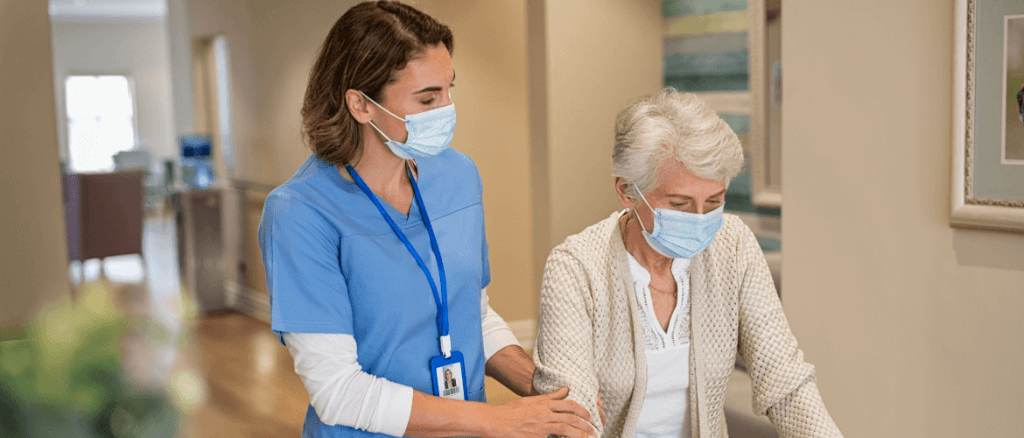
Another reason why a BSN in nursing is important concerns confidence. During educational programs, students gather real-world experience. Every course has a certain number of clinical hours. You practice doing different procedures and learn how not to make mistakes. BSN nurses can deliver better health treatment without making wrong decisions that lead to bad outcomes. We also encourage you to check more info about what is a BSN degree in nursing in our Q&A section, where we’ve collected brief but comprehensive answers to the most popular questions among nursing students.
In alignment with the Nursing Workforce Reform Initiatives (2024–2025), many hospitals — especially Magnet-recognized systems — are shifting toward requiring or strongly preferring BSN-level education for bedside roles. Some states are also exploring “BSN-in-10” requirements, encouraging RNs to earn a BSN within ten years of licensure.
Dreaming about gaining a top academic degree in nursing? BSN is the first step. Obtaining a master’s diploma becomes much simpler. With every next academic stage, students gain more knowledge on specialized fields to become real pros. By reaching a PhD, you can become a reputable professor at university or continue helping patients with more serious cases.
As part of completing a BSN, students typically write a capstone project, a major research-based assignment demonstrating their ability to integrate knowledge into practice.
The process includes selecting a topic (often related to clinical experience), conducting research, analyzing data, and offering evidence-based solutions.
Capstone projects often include:
Popular BSN capstone topics for 2025 include:
A BSN degree provides foundational and advanced nursing education across subjects like:
Students complete clinical rotations in areas such as emergency, pediatrics, maternity, mental health, and community health.
Accelerated BSN programs allow students with a non-nursing bachelor’s degree to complete training in as little as 12–18 months.
The BSN meaning in medical education extends beyond basic clinical skills. It includes training in:
What does a BSN do for your career?
Healthcare employers now prefer BSN graduates for leadership-track roles due to improved outcomes linked with BSN-prepared nurses — including lower mortality rates, better care coordination, and increased patient satisfaction.